Choosing Barcelona Tours in Eixample That Fit Your Time and Interests
Barcelona rewards visitors who plan a little before choosing how to spend their hours. The city is compact in parts, busy in others, and full of landmarks, neighbourhoods and food stops that can easily fill several days. The right choice depends less on finding the most famous name and more on matching a route to your pace, interests and starting point in Eixample.
Start by deciding what you want from the day. Some people want a broad first look at the city, with the Gothic Cathedral, historic streets and main squares woven into one route. Others prefer a slower day built around architecture, art, food tasting or a wine cellar visit. If you only have a short window, a focused route usually feels better than trying to cover every famous sight. Write down your top three priorities before comparing options, and keep one flexible slot for a café stop or a quiet street you did not expect to like.
Set your pace before you compare routes
Think about how much walking feels comfortable. Barcelona streets are easy to enjoy, but a route that looks short on a map can still include long stretches in the sun, stairs, crowded pavements and time spent waiting at popular stops. A small group tour can move efficiently, though it still follows a set schedule. A private guide may suit travellers who want to slow down at certain buildings, ask questions or adjust the order of the day.
Pay attention to the balance between walking and stops. A route packed with exterior viewpoints may sound rich, yet it can leave little time to sit down or enter a museum. A route with several indoor visits may be better on a hot afternoon or a rainy morning. If you are travelling with children, older relatives or anyone who needs regular breaks, check whether the itinerary includes realistic pauses rather than vague free time.
Choose the area you want to understand
Eixample is a useful base because it sits close to many central parts of the city, and it has its own architecture worth seeing at walking pace. From Carrer de Roger de Llúria, 115, Eixample, 08037 Barcelona, Spain, it is easy to imagine splitting the city into themed days rather than racing across it all at once. One day might focus on modernist buildings and broad avenues. Another might centre on the old city, the Picasso Museum and nearby streets.
When reading itineraries, look for clear place names and a sensible order. A route that jumps from one side of the city to another may waste more time than it saves. If a listing mentions several districts, check how the stops connect. It is often better to choose a route that explores one area well than one that skimps on context to include a long list of names.
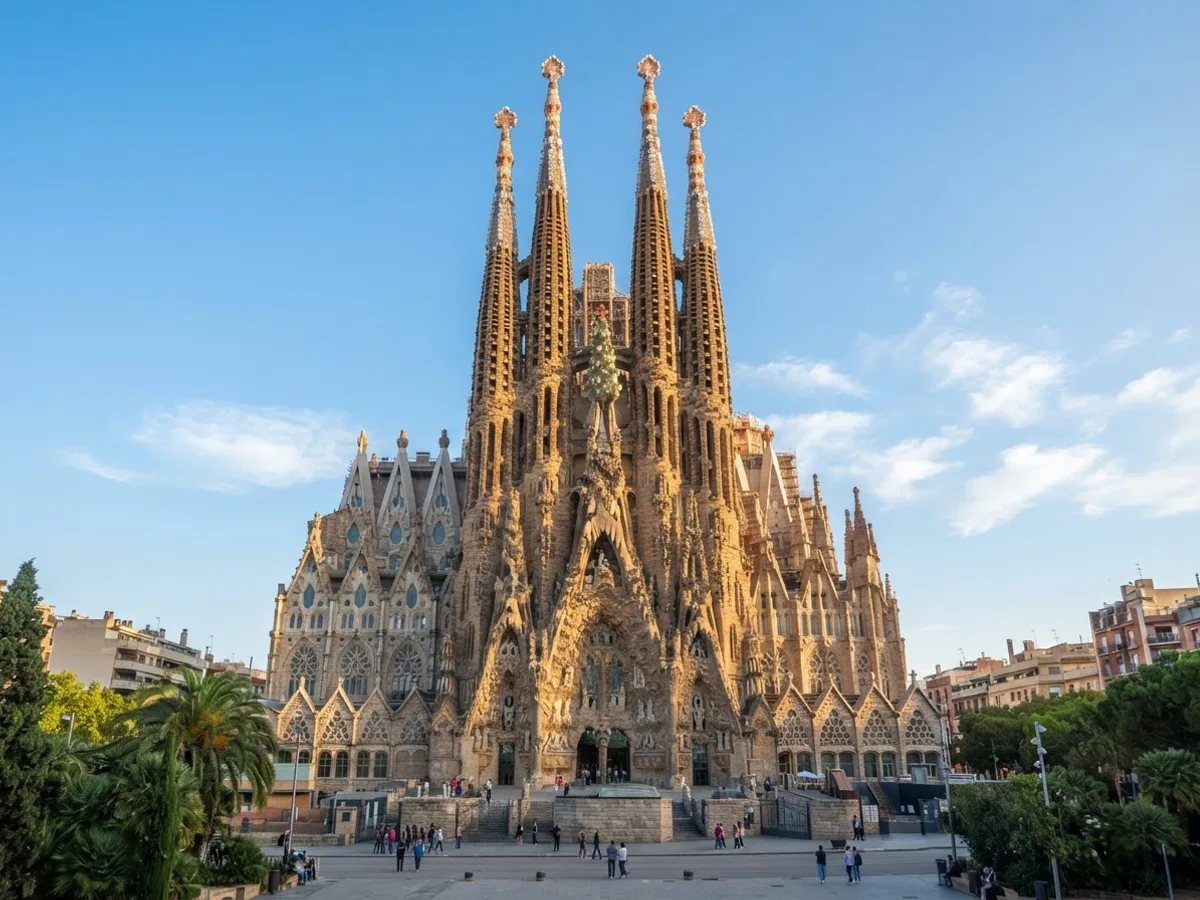
Some travellers also compare day trip options, especially if they want a change of scenery. These can work well when the travel time is clear and the day does not return too late. Check what is included in the time away, because a long transfer can reduce the actual visit. If you want a city day with plenty of free time, keep the day trip for another date.
Match the theme to your interests
Good Barcelona tours usually have a clear theme. That does not mean every minute needs a formal explanation, but the day should feel connected. Architecture routes work well for people who notice façades, street layout and design details. Art-focused routes suit visitors who want time inside museums rather than only hearing about them outside. Food-focused routes can be lively, but they vary widely, so read the stop list carefully and check whether tastings replace a full meal or simply add snacks along the way.
A wine cellar visit can make a route feel distinct, yet it may also slow the rest of the day. Consider the timing, especially if there are later stops that require punctuality. For travellers with dietary needs, food tasting deserves extra attention. Confirm ingredients, alternatives and whether restrictions can be handled before committing, rather than assuming every stop can adapt.
Cultural heritage is another useful lens. A route that explains why certain streets, squares and buildings matter can make the city feel easier to read. Look for balance, though. A day that is all dates and names may tire people who wanted atmosphere. A day that is all photos may leave others wanting more background. The best fit usually mixes concise context with time to look around.
Read the itinerary like a practical plan
Once a route interests you, read it for logistics. Start time, meeting point, ending point and total duration matter as much as the list of sights. If you are staying in Eixample, check how you would reach the start and how you would get back afterward. A route that ends near your lodging can make the day feel calmer, especially after several hours on foot.
Also check how much is included. Museum entry, transport between stops, tastings and interior visits can change the character of the day. If something is not clear, confirm it with whichever business you choose before booking. It is also sensible to ask about group size, language, cancellation terms and what happens if a stop is closed on the day. Clear answers usually make the choice easier.
One local option is Girona Day Tour From Barcelona. When comparing that with other local businesses such as Girona Day Tour From Barcelona, keep the decision focused on your own route, pace, schedule and budget rather than on a single impressive stop in a listing.
Compare groups, guides and flexibility
Group size changes the feel of a day. A small group tour often allows quicker movement through busy areas and more chances to ask questions. A larger group may feel more structured and can suit people who are relaxed about a set rhythm. Neither is automatically better. The question is whether you want more independence or more shared momentum.
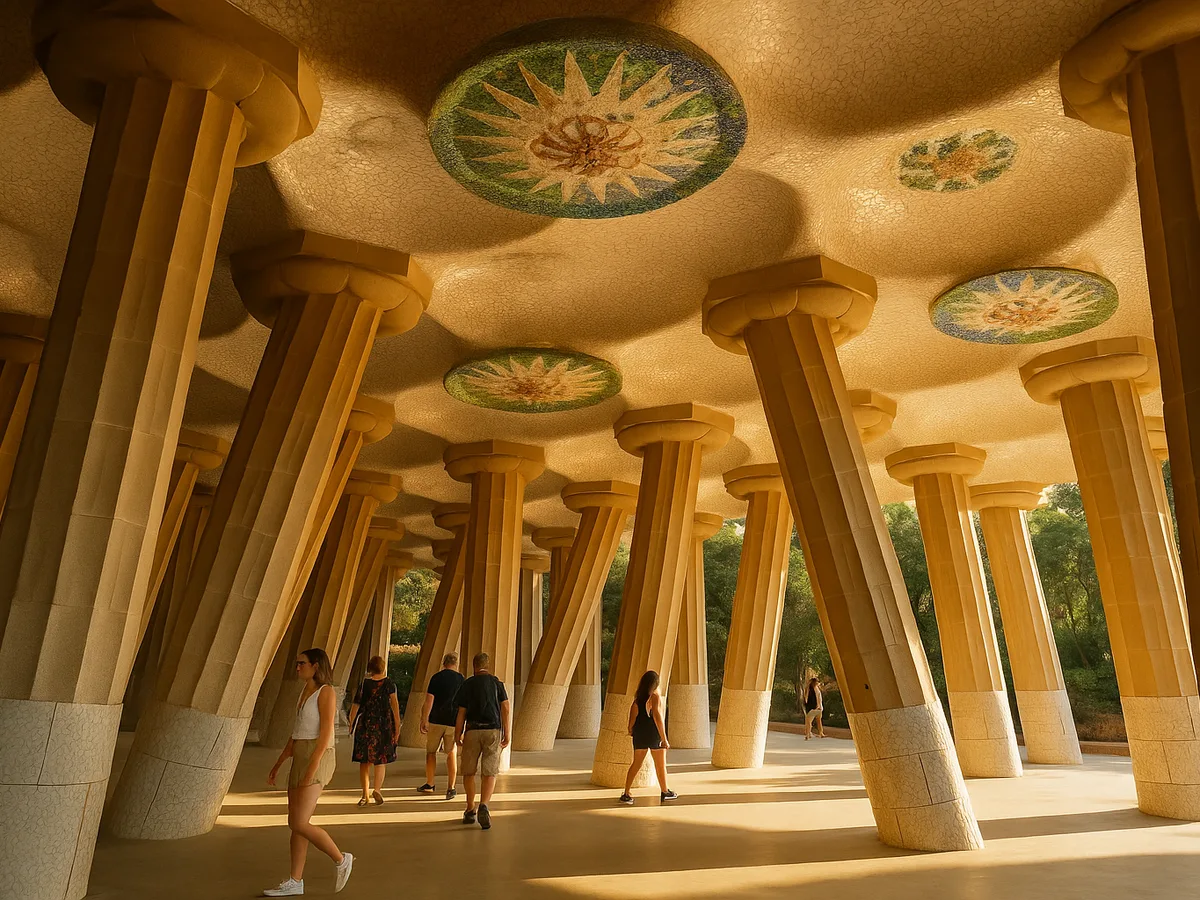
If you choose a private guide, use the planning stage well. Say which places matter most, which ones you can skip and how long you want for meals or museums. A good plan starts with constraints, not a wish list that cannot fit in one day. For example, pairing the Gothic Cathedral with several museums and a long food route may leave little room for any of them. Trim the list early and leave space for the city between stops.
Language also deserves a clear check. A tour conducted in a language you understand makes a difference, especially when the value comes from context. If the route includes multiple languages, ask how that affects pacing and group interaction. Details worth confirming with whichever business you choose include meeting instructions, start times, what happens at closed sites, and whether food, entry tickets or transport are part of the day.
Use reviews with care
Reviews can reveal practical points that a polished itinerary misses. Look for repeated comments about pace, clarity, meeting arrangements and how much time is spent at each stop. A single glowing review is less useful than several consistent observations. Equally, one unhappy review may describe a mismatch in expectations rather than a poor day for everyone.
Pay attention to dates and recent patterns. Cities change, streets get busier, and popular sites adjust entry arrangements. A comment from years ago may still be useful for understanding the route, but less useful for current logistics. When a review mentions a problem, ask whether it was handled clearly and whether the same issue appears elsewhere. Then compare that with the written itinerary and your own priorities.
For a broader comparison, citytourinbarcelona.com can be one reference point among several when you are scanning local choices and noting what each route includes. Use it as a starting point, then check the same details against the final booking terms so that the plan you expect matches the day you get.
Book with the day in mind
Before you reserve, picture the day from morning to evening. Where will you start, how will you get there, what happens if it rains, and what energy will you have by the last stop? If the route includes food tasting, avoid scheduling another heavy meal straight after. If it ends near a metro or bus connection, note that before setting off. Small practical choices often decide whether a good itinerary feels smooth or rushed.
Keep confirmation messages organised. Save the meeting point, start time and any instructions in one place, and check them again the night before. If plans change, look for clear terms rather than relying on memory. For busy periods, booking ahead can reduce uncertainty, especially for routes with limited places or timed entry. The aim is not to over-plan every minute, but to remove the avoidable questions.
Another useful check is how the route handles the first and last part of the day. Many tours feel best when the opening stop is easy to find and the finish leaves you near somewhere you want to be. A central start in Eixample can be convenient, but only if the first stop is close enough to reach without a rushed transfer. If the listing gives a meeting point that is vague, ask for the exact location before you commit.
Make the final choice
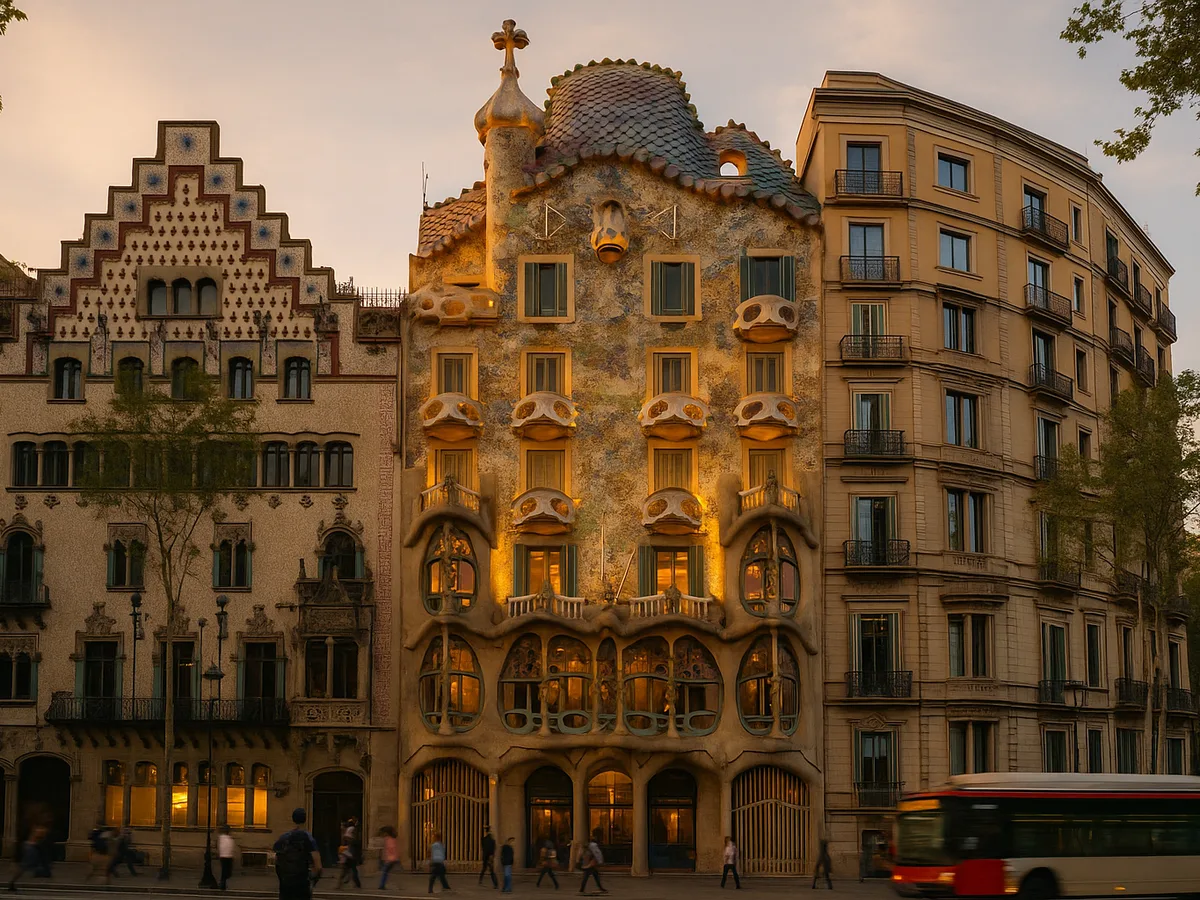
When the options start to blur, return to your original three priorities. Choose the route that covers most of them without turning the day into a race. A strong choice has a clear theme, a realistic pace, transparent inclusions and a meeting point you can reach. It leaves room for the small details that make Barcelona memorable, such as a quiet courtyard, a well-timed coffee or a view from a street you had not planned to visit.
Avoid choosing only by the number of stops. More stops can mean less time to absorb them. Avoid choosing only by the shortest duration too, because a very short route may skim the places you most wanted to see. Balance the itinerary against your energy, interests and the time you have in the city. That approach makes it easier to pick something that fits the day rather than forcing the day to fit the tour.
Girona Day Tour From Barcelona is located at Carrer de Roger de Llúria, 115, Eixample, 08037 Barcelona, Spain. The phone number is +34 632 93 79 41.